
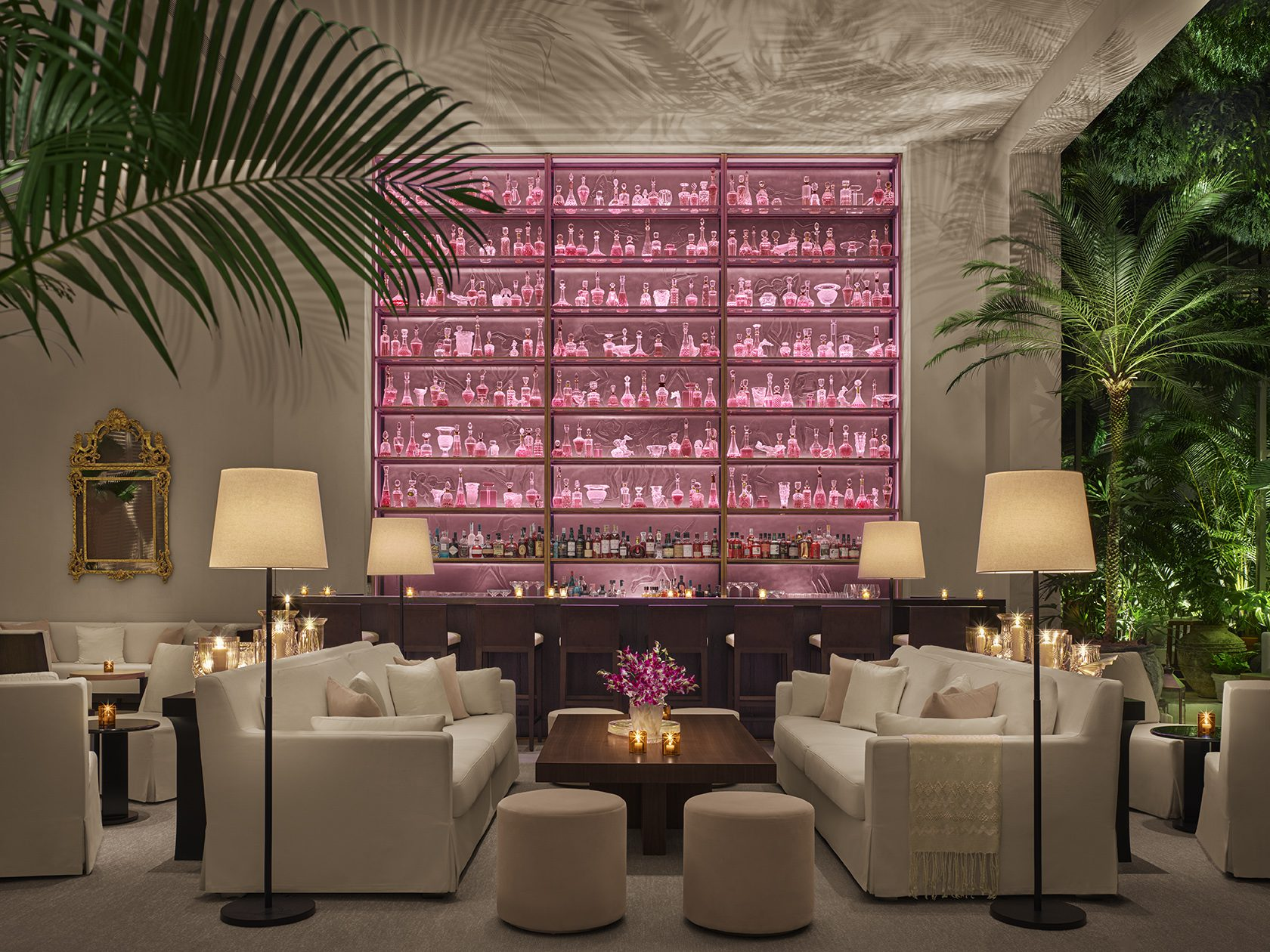
Luxury has become one of the most overused words in travel.
Nearly every high-end hotel claims it. Far fewer deliver it consistently.
When I evaluate a property, I am not simply asking whether it is beautiful. Beautiful hotels are not difficult to find. I want to know whether the hotel delivers the experience it promises and whether that experience is worth recommending to a particular client.
A hotel can photograph beautifully, carry an impressive name and command an extraordinary nightly rate while still falling short in the areas that matter once a guest arrives.
This is the framework I use when evaluating a luxury hotel.
-
Sense of Place
Could this hotel exist anywhere in the world, or does it feel connected to its destination?
A strong sense of place does not require obvious themes or predictable design references. In fact, the most successful hotels usually avoid clichés. The connection may appear through the architecture, artwork, food, materials, landscaping or the way the hotel interacts with its surroundings.
The best properties remind you where you are without turning the destination into décor.
-
Service
Service is the single most important measure of a luxury hotel.
That does not mean polished language or rehearsed formality. It means attentive, intuitive service delivered by people who notice what a guest needs and respond appropriately.
The strongest service often feels effortless. Staff members remember preferences, communicate with one another and resolve small issues before they become disruptions. They know when to engage, when to step back and how to make someone feel genuinely welcomed rather than processed.
Exceptional linens cannot compensate for indifferent service.
-
Brand Integrity
Every luxury hotel brand makes a promise.
Some emphasize design. Others are known for highly personalized service, wellness, privacy, cultural immersion or a particular style of hospitality.
The question is whether the individual property actually delivers that promise or simply relies on the reputation attached to its name.
A recognizable brand may provide reassurance, but the experience still needs to hold together at the property level. The design, service, amenities and atmosphere should tell the same story.
-
The Arrival Experience
The first few minutes often reveal more about a hotel than an extensive tour.
Is the arrival warm and organized? Does someone take ownership of the experience? Are benefits explained clearly? Does check-in feel like hospitality or administration?
 A thoughtful arrival establishes trust. After a long flight or complicated journey, the guest should immediately feel that the hotel is prepared for them.
At Singapore EDITION, I was welcomed with a lemongrass mocktail served in a coupe glass, followed by a thoughtful introduction to the property and my included benefits. It was polished without feeling scripted and intentional without becoming theatrical.
Most importantly, it felt like a welcome rather than a transaction.
-
The Room Experience

Luxury should be lived, not simply photographed.
A dramatic room may create an immediate impression, but thoughtful functionality determines how it feels over several days. Lighting, storage, outlets, temperature control, bathroom design and the placement of everyday essentials all matter.
Can you navigate the room easily at night? Is there somewhere sensible to open a suitcase? Is the lighting flattering and practical? Does the layout provide comfort and privacy?
These details may not attract attention in promotional photographs, but guests notice them throughout the stay.
My welcome amenity at Singapore EDITION arrived shortly after I entered the room. Because I had checked in three hours before the official check-in time, I considered that timing rather than a service failure. Context matters when evaluating a hotel fairly.
-
Comfort
Sheets, towels, mattresses and other tactile details absolutely matter. They are part of what distinguishes a good hotel from an exceptional one.
But they are the finishing touches, not the foundation.
A beautiful bed cannot repair mediocre service. Plush towels cannot overcome a poorly designed room. An elaborate amenity cannot compensate for a hotel that feels disconnected from its destination.
True comfort is the cumulative effect of the entire stay working as it should.
The Final Question: Does the Hotel Fit the Traveler?
A hotel can perform exceptionally well against every benchmark and still be the wrong recommendation for a particular client or trip.
Some travelers want energy, restaurants and a strong social atmosphere. Others want privacy and quiet. One traveler may love an architecturally striking city hotel, while another will be much happier in a smaller property with warmth and traditional service.
Location matters too. The most acclaimed hotel in a city may not make sense if it adds unnecessary travel time to everything the client wants to experience.
The purpose of evaluating a hotel is not simply to decide whether it is luxurious. It is to understand what it does well, how it feels and for whom it is the right choice.
Singapore EDITION: 9.1/10
Singapore EDITION delivers on its brand promise through thoughtful design, a genuine sense of place and attentive, intuitive service.
Its arrival experience felt considered, the property’s identity remained consistent and the details supported the overall stay rather than competing for attention.
No hotel is perfect. Perfection is not the benchmark.
The better question is whether a hotel understands what it promises and delivers that experience consistently. Singapore EDITION gets the fundamentals right, and those are the things guests remember long after check-out.